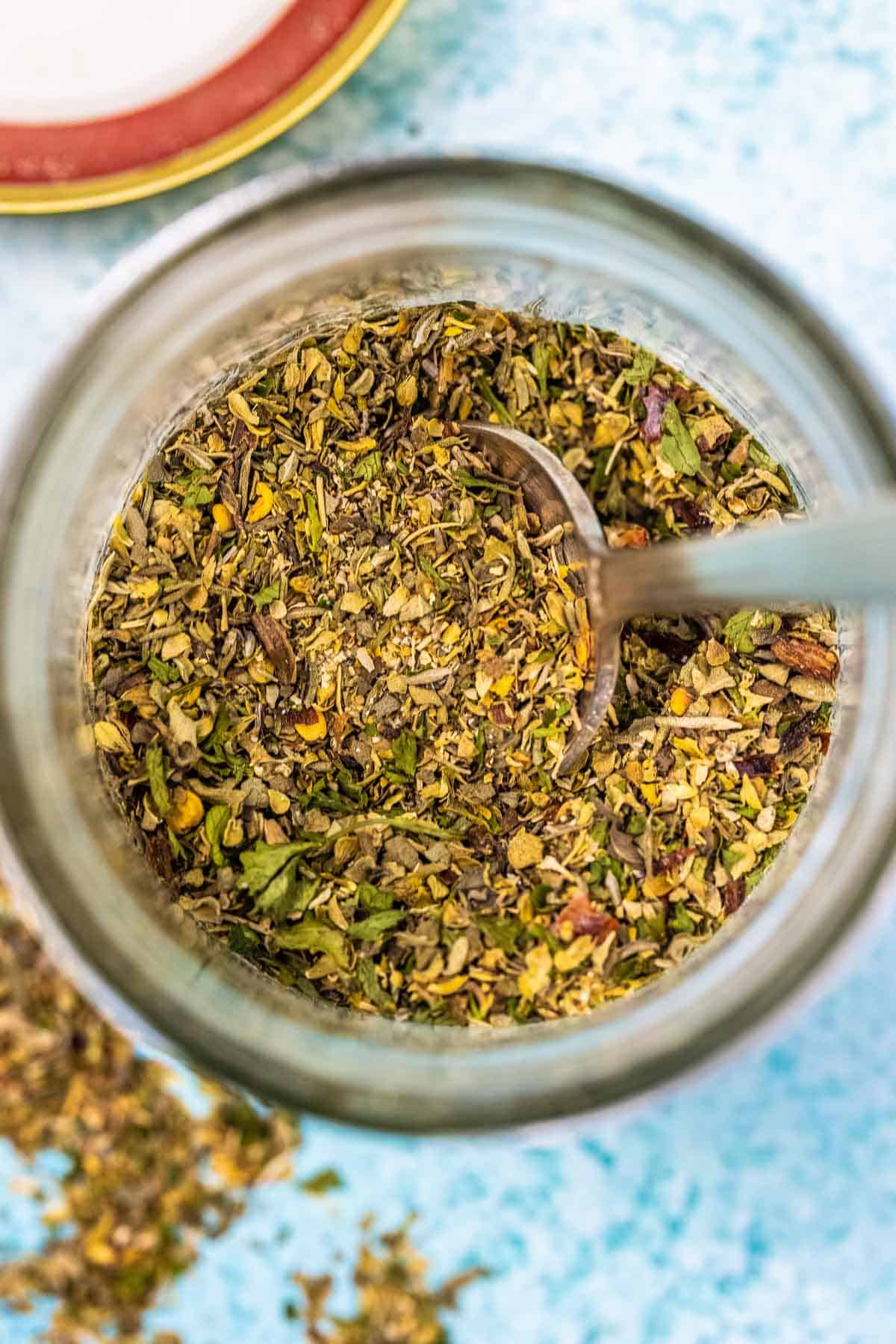
Homemade Italian Seasoning: Better Taste & Budget-Friendly
In the culinary world, convenience often comes at a cost – not just to your wallet, but sometimes to the quality and flavor of your food. Store-bought spice blends, while handy, can often disappoint with their muted aromas, questionable additives, and surprising price tags. But what if you could unlock a world of vibrant Italian flavor, save money, and have complete control over every ingredient with a simple solution? Enter homemade Italian seasoning – a game-changer for any kitchen. Forget pulling out multiple spice jars every time a recipe calls for that classic Italian touch; a freshly mixed batch of this aromatic blend is your secret weapon for elevating countless dishes. It's truly a simple homemade Italian seasoning that delivers on taste and value.
Why Go Homemade? The Unbeatable Advantages of Your Own Italian Seasoning Blend
Making your own Italian seasoning isn't just a fun kitchen project; it's a strategic move for any home cook serious about flavor and efficiency. There are compelling reasons to skip the pre-packaged blends and whip up your own. Let's delve into the key benefits:
- Unmatched Flavor and Aroma: This is arguably the biggest win. When you buy pre-made blends, spices have often been sitting on shelves for extended periods, losing their potency. By sourcing fresh, individual dried herbs and mixing them yourself, you capture their peak flavor and aroma. Your homemade blend will have a more vibrant, authentic taste that permeates your dishes, making everything from pasta sauces to roasted vegetables truly sing. You also gain the ability to customize the intensity of each herb, creating a blend perfectly tailored to your family's preferences.
- Budget-Friendly Brilliance: At first glance, buying individual spice jars might seem more expensive, but it’s a wise long-term investment. Bulk purchases of common herbs like oregano, basil, and parsley are significantly more cost-effective per ounce than specialty seasoning blends. Once you have these staples in your pantry, whipping up multiple batches of your simple homemade Italian seasoning becomes incredibly cheap, saving you money over time compared to continually buying small, overpriced containers of pre-mixed herbs.
- No Unwanted Additives: Many commercial spice blends contain more than just herbs. Anti-caking agents, excessive salt, sugar, or even artificial colors and flavors can lurk in the ingredient list. By making your own, you have complete transparency and control. You know exactly what's going into your food – just pure, natural herbs and spices. This is especially important for those with dietary restrictions or who prefer to avoid processed ingredients. For more insights on this, check out our guide on DIY Italian Seasoning: Flavor Any Dish & Skip Store-Bought Additives.
- Long-Lasting Freshness: Properly stored, your homemade Italian seasoning blend can retain its potency for up to six months, sometimes even a year. When you create your blend, the individual spices are often fresher than those in a pre-mixed, store-bought product that might have been packaged months prior. Storing your blend in an airtight container in a cool, dark place helps preserve its essential oils and flavors, ensuring every sprinkle delivers maximum impact.
Crafting Your Signature Simple Homemade Italian Seasoning: The Essential Ingredients
The beauty of a simple homemade Italian seasoning recipe lies in its adaptability. While a core set of dried herbs forms the foundation, you have the creative freedom to tweak proportions and add optional elements to suit your palate. Here's a breakdown of the typical ingredients and how they contribute to that quintessential Italian flavor profile:
Core Ingredients:
- Dried Oregano: The backbone of Italian seasoning, oregano offers a robust, earthy, and slightly peppery flavor. It’s wonderfully aromatic and essential for authenticity. If you're missing marjoram, a little extra oregano can often fill the gap.
- Dried Basil: Sweet and aromatic with subtle notes of anise, basil provides a bright, slightly sweet contrast to oregano's pungency. It’s crucial for that classic Italian herb balance.
- Dried Parsley: Offering a mild, fresh, and slightly peppery note, parsley adds depth and a hint of green herbaceousness without overpowering the other flavors.
- Garlic Powder: A staple in Italian cuisine, garlic powder provides a foundational savory flavor that binds the herbs together. It's mellower than fresh garlic but equally indispensable.
- Dried Marjoram: Often described as a sweeter, milder cousin to oregano, marjoram adds a delicate, slightly floral, and woodsy note. If unavailable, simply substitute with a bit more dried oregano.
- Dried Rosemary: Pungent and piney with a slightly bitter, peppery taste, rosemary lends a distinctive aroma and robust flavor, particularly excellent in roasted dishes.
- Dried Thyme: Earthy, minty, and slightly lemony, thyme complements the other herbs beautifully, adding another layer of aromatic complexity.
Optional Additions for Customization:
- Onion Powder: For an extra layer of savory depth and aromatic complexity, a tablespoon of onion powder can enhance the overall flavor profile without adding bulk.
- Red Pepper Flakes: If your family enjoys a touch of heat, a quarter to half a teaspoon of red pepper flakes will introduce a subtle warmth that enlivens the blend. Adjust to your desired spice level!
- Salt and Black Pepper: While many prefer to add these separately when cooking, you can incorporate a small amount into your blend for an all-in-one seasoning, keeping in mind individual preferences.
To prepare your blend, simply combine all the dried spices in a small bowl, mix thoroughly, and then transfer to an airtight container. The beauty of dried herbs is their convenience; while fresh herbs are undeniably potent, they have a very short shelf life and require three times the quantity to achieve the same flavor intensity as their dried counterparts.
Beyond the Pasta Bowl: Creative Ways to Use Your Homemade Italian Seasoning
The versatility of your simple homemade Italian seasoning is truly astounding. While its most obvious application is in Italian-inspired dishes, its aromatic profile makes it a fantastic addition to a wide range of cuisines and cooking methods. Think of it as your all-purpose flavor enhancer!
- Pasta Dishes & Sauces: This is a no-brainer. Stir it into your marinara sauce, bolognese, or a simple garlic and olive oil pasta. It’s a foundational flavor for classics like lasagna, baked ziti, and manicotti.
- Soups & Stews: Elevate a humble minestrone, Italian wedding soup, or even a basic chicken noodle soup with a generous sprinkle. It adds warmth and depth to any broth-based dish.
- Roasted Vegetables & Potatoes: Toss broccoli, zucchini, bell peppers, onions, or potatoes with olive oil and your homemade seasoning before roasting for an incredible burst of flavor. It also works wonders on baked zucchini fries!
- Marinades & Rubs: Create an instant marinade for chicken, beef, pork, or tofu by mixing the seasoning with olive oil, lemon juice, and a touch of vinegar. It’s also a fantastic dry rub for grilling or roasting meats.
- Homemade Dressings & Dips: Whisk it into your balsamic vinaigrette or stir it into plain Greek yogurt for a quick, flavorful dip for veggies or chips. Mix it with olive oil for a simple, irresistible bread dipper.
- Casseroles & Bakes: Integrate it into hearty casseroles like Johnny Marzetti or cabbage roll casserole, providing a consistent, herbaceous flavor throughout.
- Eggs & Breakfast: Sprinkle a pinch into scrambled eggs, omelets, or even a breakfast frittata for an unexpected savory kick.
- Popcorn & Snacks: For a gourmet snack, melt some butter, mix in your Italian seasoning, and drizzle it over freshly popped popcorn. Or, add it to homemade croutons or seasoned nuts.
- Compound Butters: Soften butter, mix in your seasoning, and roll it into a log. Chill, then slice off discs to melt over steaks, chicken, or crusty bread.
Tips for Storing and Maximizing the Freshness of Your Blend
To ensure your homemade Italian seasoning remains as potent and aromatic as possible, proper storage is key. Following these simple guidelines will help preserve its quality for months:
- Airtight Containers are Essential: Exposure to air is the enemy of fresh spices. Store your blend in an airtight glass jar, a repurposed old spice container, or any small container with a tight-fitting lid. Glass is often preferred over plastic because plastic can absorb odors over time, potentially tainting future batches.
- Seek Darkness: Light, especially direct sunlight, degrades the essential oils in dried herbs, causing them to lose their flavor and color more quickly. Always store your seasoning in a dark place, such as inside a cabinet, pantry, or drawer, rather than on an open counter or spice rack exposed to light.
- Avoid Heat and Moisture: Extreme temperatures and humidity can also diminish spice potency. Keep your seasoning away from direct heat sources like stoves, ovens, or dishwashers. A cool, dry pantry is the ideal environment.
- Label and Date: While your homemade blend will stay fresh for up to six months (and often longer, even up to a year if stored perfectly), it's a good practice to label your container with the date you mixed it. This helps you keep track of its freshness and ensures you're always using the most vibrant blend.
- Small Batches vs. Large Batches: If you use Italian seasoning frequently, making a larger batch that lasts 6-12 months can be incredibly convenient. However, if you use it more sparingly, consider making smaller batches more often to ensure peak freshness with every sprinkle. This way, you're always experiencing the optimal flavor profile.
With these storage tips, your homemade blend will be ready to infuse your dishes with authentic Italian flair whenever inspiration strikes.
Conclusion
Embracing the simplicity of making your own homemade Italian seasoning is a culinary revelation. Not only does it offer superior taste, unmatched freshness, and significant cost savings over store-bought alternatives, but it also gives you the power to customize and control every ingredient. This simple homemade Italian seasoning recipe is more than just a collection of herbs; it's a versatile tool that elevates everyday meals into extraordinary culinary experiences. From enriching a bubbling pasta sauce to adding zest to roasted vegetables, your homemade blend will quickly become an indispensable staple in your pantry, proving that the best flavors often come from the simplest, most intentional efforts in your own kitchen.
